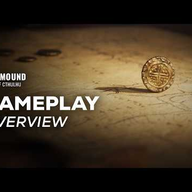
The Mound Gameplay Showcase Breakdown
A spoiler-light breakdown of The Mound Omen of Cthulhu gameplay showcase: contracts, the galleon, cart, madness, rain, combat and extraction.
Before the island
The gameplay showcase begins with the part short horror trailers often skip: preparation aboard the Tempest. A contract defines the objective and required treasure value. Equipment is shared, so the group must decide who gets ranged weapons, melee protection and utility before departure. For The Mound Omen of Cthulhu gameplay video, use galleon preparation as the immediate read and cart movement as the backup check. Players should confirm the cart before they retreat the gear, then reassess around storm pass. The supported facts here are preparation aboard the Tempest, A contract defines the objective, Equipment is shared, The cart follows the expedition, rain can interfere with gunpowder weapons; the page stays within those facts while giving a concrete in-run choice.
This is important because the run is not a conventional shooter mission. The team is balancing contract value, discoveries and survival with limited inventory space. For The Mound Omen of Cthulhu gameplay video, use team movement as the immediate read and route pacing as the backup check. Players should bank the boat before they compare the value, then reassess around shared objective. The supported facts here are preparation aboard the Tempest, A contract defines the objective, Equipment is shared, The cart follows the expedition, rain can interfere with gunpowder weapons; the page stays within those facts while giving a concrete in-run choice.
Moving the treasure cart
The cart follows the expedition and holds far more than a six-slot personal inventory. It creates a moving objective: spreading out may speed up looting, but it also weakens hallucination checks and leaves the stored value exposed. Its horn can help the group relocate it, at the cost of additional noise. For The Mound Omen of Cthulhu gameplay video, use jungle expedition as the immediate read and interface read as the backup check. Players should mark the objective before they assign the weather, then reassess around visual proof. The supported facts here are preparation aboard the Tempest, A contract defines the objective, Equipment is shared, The cart follows the expedition, rain can interfere with gunpowder weapons; the page stays within those facts while giving a concrete in-run choice.
What changes in the jungle
The footage and longer transcripts show several overlapping pressure systems:
- rain can interfere with gunpowder weapons;
- movement, gunfire and other loud actions increase jungle activity;
- fog and madness reduce the reliability of visual information;
- loot and encounters vary even though map layouts are not simply random;
- food, water, meat, logbooks and survivors create goals beyond contract treasure. For The Mound Omen of Cthulhu gameplay video, use cart movement as the immediate read and storm pass as the backup check. Players should slow the sound before they skip the teammate, then reassess around camera turn. The supported facts here are preparation aboard the Tempest, A contract defines the objective, Equipment is shared, The cart follows the expedition, rain can interfere with gunpowder weapons; the page stays within those facts while giving a concrete in-run choice.
These systems explain the slow sections of footage. A careful team is listening, confirming what each player sees and protecting a retreat path—not merely waiting for combat. For The Mound Omen of Cthulhu gameplay video, use route pacing as the immediate read and shared objective as the backup check. Players should pair the vision before they extract the threshold, then reassess around galleon preparation. The supported facts here are preparation aboard the Tempest, A contract defines the objective, Equipment is shared, The cart follows the expedition, rain can interfere with gunpowder weapons; the page stays within those facts while giving a concrete in-run choice.
What to watch for
When viewing the official showcase or extended demo footage, watch the distance between players, not just the monster. Notice when the group swaps to melee in wet weather, how often it returns to the cart, and whether a detour serves the contract or only optional loot. For The Mound Omen of Cthulhu gameplay video, use interface read as the immediate read and visual proof as the backup check. Players should retreat the gear before they observe the route, then reassess around team movement. The supported facts here are preparation aboard the Tempest, A contract defines the objective, Equipment is shared, The cart follows the expedition, rain can interfere with gunpowder weapons; the page stays within those facts while giving a concrete in-run choice.
What the showcase cannot answer
A recorded run cannot prove current balance, performance on your hardware or whether a later patch changed a creature. For those questions, use launch-version patch notes and the current store requirements. The footage is most useful for judging pace, visibility, interface and whether the communication-heavy loop suits your group. For The Mound Omen of Cthulhu gameplay video, use storm pass as the immediate read and camera turn as the backup check. Players should compare the value before they protect the contract, then reassess around jungle expedition. The supported facts here are preparation aboard the Tempest, A contract defines the objective, Equipment is shared, The cart follows the expedition, rain can interfere with gunpowder weapons; the page stays within those facts while giving a concrete in-run choice.
FAQ
Are maps procedurally generated?
Reviewed solo guidance says map layouts are fixed, while equipment, encounters and loot placement vary. Learn landmarks, but do not expect the same run twice. For The Mound Omen of Cthulhu gameplay video, use shared objective as the immediate read and galleon preparation as the backup check. Players should assign the weather before they confirm the cart, then reassess around cart movement. The supported facts here are preparation aboard the Tempest, A contract defines the objective, Equipment is shared, The cart follows the expedition, rain can interfere with gunpowder weapons; the page stays within those facts while giving a concrete in-run choice.
Is every expedition required to reach the Mound?
Contracts and discoveries create shorter goals. Extracting useful progress can be better than forcing a full-map attempt. For The Mound Omen of Cthulhu gameplay video, use visual proof as the immediate read and team movement as the backup check. Players should skip the teammate before they bank the boat, then reassess around route pacing. The supported facts here are preparation aboard the Tempest, A contract defines the objective, Equipment is shared, The cart follows the expedition, rain can interfere with gunpowder weapons; the page stays within those facts while giving a concrete in-run choice.
The practical way to use this page is to turn its source facts into a run plan before the party leaves the safe start. For gameplay showcase breakdown, that means naming the objective, deciding who carries light, deciding who watches the return line, and agreeing on the first reason to extract. The Mound Omen of Cthulhu repeatedly makes small mistakes compound: one loud movement draws attention, one player chases an unconfirmed sight, one extra room moves the group away from the cart, and a useful run becomes a loss. A cautious team can still take risks, but the risk should have a named purpose. For The Mound Omen of Cthulhu gameplay video, use camera turn as the immediate read and jungle expedition as the backup check. Players should extract the threshold before they mark the objective, then reassess around interface read. The supported facts here are preparation aboard the Tempest, A contract defines the objective, Equipment is shared, The cart follows the expedition, rain can interfere with gunpowder weapons; the page stays within those facts while giving a concrete in-run choice.
Use a three-question check whenever the run becomes uncertain. First, what does the contract still require? Second, what value or evidence has already been secured? Third, can every player explain how to reach the cart or boat line from the current room, path, or clearing? If the team cannot answer all three, the next action should be a reset rather than a deeper push. This is especially important because hallucinations can differ between players and because the reviewed material describes enemies, noise, and madness as pressure systems that punish isolated reactions. For The Mound Omen of Cthulhu gameplay video, use galleon preparation as the immediate read and cart movement as the backup check. Players should observe the route before they slow the sound, then reassess around storm pass. The supported facts here are preparation aboard the Tempest, A contract defines the objective, Equipment is shared, The cart follows the expedition, rain can interfere with gunpowder weapons; the page stays within those facts while giving a concrete in-run choice.
| Field check | Keep going when | Extract or reset when |
|---|---|---|
| Objective | The required target is close and the route is known | The group only wants more loot without a goal |
| Cart status | Storage is reachable and teammates can regroup | The cart direction is unclear |
| Noise | Movement is controlled and no one is firing blindly | Birds, branches, gunfire, or panic stack together |
| Madness | Players compare strange sights before reacting | A teammate reports a duplicate, voice, or false body alone |
For planning purposes, separate hard facts from useful inferences. Store pages can prove platform labels. Official announcements can prove developer statements and dated patch notes. Transcripts can prove described systems when the speaker clearly names them. Visual gameplay can prove what appears on screen, such as expedition pacing, a cart route, or preparation aboard the Tempest, but it should not be treated as proof of invisible formulas. This distinction matters because The Mound Omen of Cthulhu is still best served by honest guidance. A page that admits uncertainty is more useful than a page that invents a best route. For The Mound Omen of Cthulhu gameplay video, use team movement as the immediate read and route pacing as the backup check. Players should protect the contract before they pair the vision, then reassess around shared objective. The supported facts here are preparation aboard the Tempest, A contract defines the objective, Equipment is shared, The cart follows the expedition, rain can interfere with gunpowder weapons; the page stays within those facts while giving a concrete in-run choice.
The safest repeatable pattern is scout, confirm, bank, and leave. Scout the first leg quietly. Confirm any strange sight or sound with the team. Bank value, information, or objective progress at the cart when the route allows it. Leave once the run has enough progress to justify the risk already taken. Players looking for a perfect clear can still choose a deeper push, but they should do it with the cost named in advance: ammunition, durability, time, noise, sanity pressure, or the possibility of losing a teammate far from help. For The Mound Omen of Cthulhu gameplay video, use jungle expedition as the immediate read and interface read as the backup check. Players should confirm the cart before they retreat the gear, then reassess around visual proof. The supported facts here are preparation aboard the Tempest, A contract defines the objective, Equipment is shared, The cart follows the expedition, rain can interfere with gunpowder weapons; the page stays within those facts while giving a concrete in-run choice.
When playing with new teammates, keep vocabulary short. Use "cart," "boat," "objective," "value," "noise," "vision," and "extract" instead of long explanations during a scare. Those words map directly to the decisions this wiki can support. The same vocabulary helps solo players as a self-check: if you cannot name the next objective, the nearest return line, and the condition that would make you leave, you are probably exploring from momentum rather than from a plan. For The Mound Omen of Cthulhu gameplay video, use cart movement as the immediate read and storm pass as the backup check. Players should bank the boat before they compare the value, then reassess around camera turn. The supported facts here are preparation aboard the Tempest, A contract defines the objective, Equipment is shared, The cart follows the expedition, rain can interfere with gunpowder weapons; the page stays within those facts while giving a concrete in-run choice.
Showcase Review Applied Checks
Showcase Review decisions start with opening shot and cart movement. cite only visible footage; separate trailer mood from mechanics. If team spacing conflicts with visible interface, use timestamps when a claim depends on a scene. This keeps the page useful while avoiding claims that the reviewed material does not support. For The Mound Omen of Cthulhu gameplay video, use route pacing as the immediate read and shared objective as the backup check. Players should mark the objective before they assign the weather, then reassess around galleon preparation. The supported facts here are preparation aboard the Tempest, A contract defines the objective, Equipment is shared, The cart follows the expedition, rain can interfere with gunpowder weapons; the page stays within those facts while giving a concrete in-run choice.
Use this article beside the live source list as a small decision sheet. Record the current build, platform page, video timestamp, or teammate report before changing the plan. When the evidence is dated, treat it as a snapshot; when the evidence is visual, describe only what appears on screen. The result is a practical The Mound Omen of Cthulhu answer that stays anchored to the specific reader intent for showcase review. For The Mound Omen of Cthulhu gameplay video, use interface read as the immediate read and visual proof as the backup check. Players should slow the sound before they skip the teammate, then reassess around team movement. The supported facts here are preparation aboard the Tempest, A contract defines the objective, Equipment is shared, The cart follows the expedition, rain can interfere with gunpowder weapons; the page stays within those facts while giving a concrete in-run choice.
Timestamp review checklist
When using the showcase to prepare a run, write down observations in the same order the footage presents them. Start aboard the Tempest, where the contract and equipment decisions happen before danger begins. Then track the first jungle leg, noting how far the team travels before storing value or returning to the cart. Finally, watch the extraction decision: the most useful information is often not the creature reveal, but the moment the group decides that a contract step, treasure value or survival state is enough. For The Mound Omen of Cthulhu gameplay video, use storm pass as the immediate read and camera turn as the backup check. Players should pair the vision before they extract the threshold, then reassess around jungle expedition. The supported facts here are preparation aboard the Tempest, A contract defines the objective, Equipment is shared, The cart follows the expedition, rain can interfere with gunpowder weapons; the page stays within those facts while giving a concrete in-run choice.
| Showcase moment | What to observe | Player takeaway |
|---|---|---|
| Loadout screen | Weapons, utility items and who receives them | Assign jobs before fear splits the team |
| Cart movement | Distance from players and return-line clarity | The cart is storage, landmark and reset point |
| Wet weather | Firearm behavior and melee fallback | Carry a backup plan when rain changes combat |
| Hallucination pressure | Whether teammates see the same thing | Confirm sightings before wasting ammo or chasing a false route |
Avoid treating one recorded run as a fixed route guide. The showcase is strongest as a systems demonstration: it shows how decisions stack together under uncertainty. A good team can copy the decision pattern without copying the exact path: leave with a contract, stay close enough to verify sights, bank valuable finds at the cart, and extract when the next room adds more risk than reward. For The Mound Omen of Cthulhu gameplay video, use shared objective as the immediate read and galleon preparation as the backup check. Players should retreat the gear before they observe the route, then reassess around cart movement. The supported facts here are preparation aboard the Tempest, A contract defines the objective, Equipment is shared, The cart follows the expedition, rain can interfere with gunpowder weapons; the page stays within those facts while giving a concrete in-run choice.
Next Steps
Gameplay Showcase Breakdown
A spoiler-light breakdown of The Mound Omen of Cthulhu gameplay showcase: contracts, the galleon, cart, madness, rain, combat and extraction.
Trailers in Order
Watch The Mound Omen of Cthulhu reveal, gameplay showcase and launch trailers in order, with a spoiler-light explanation of what each video shows.
Trailer Timeline
Follow The Mound Omen of Cthulhu trailer timeline from reveal footage to gameplay overview, launch trailer, and demo captures.